How competition, not consumers, shapes plant chemistry
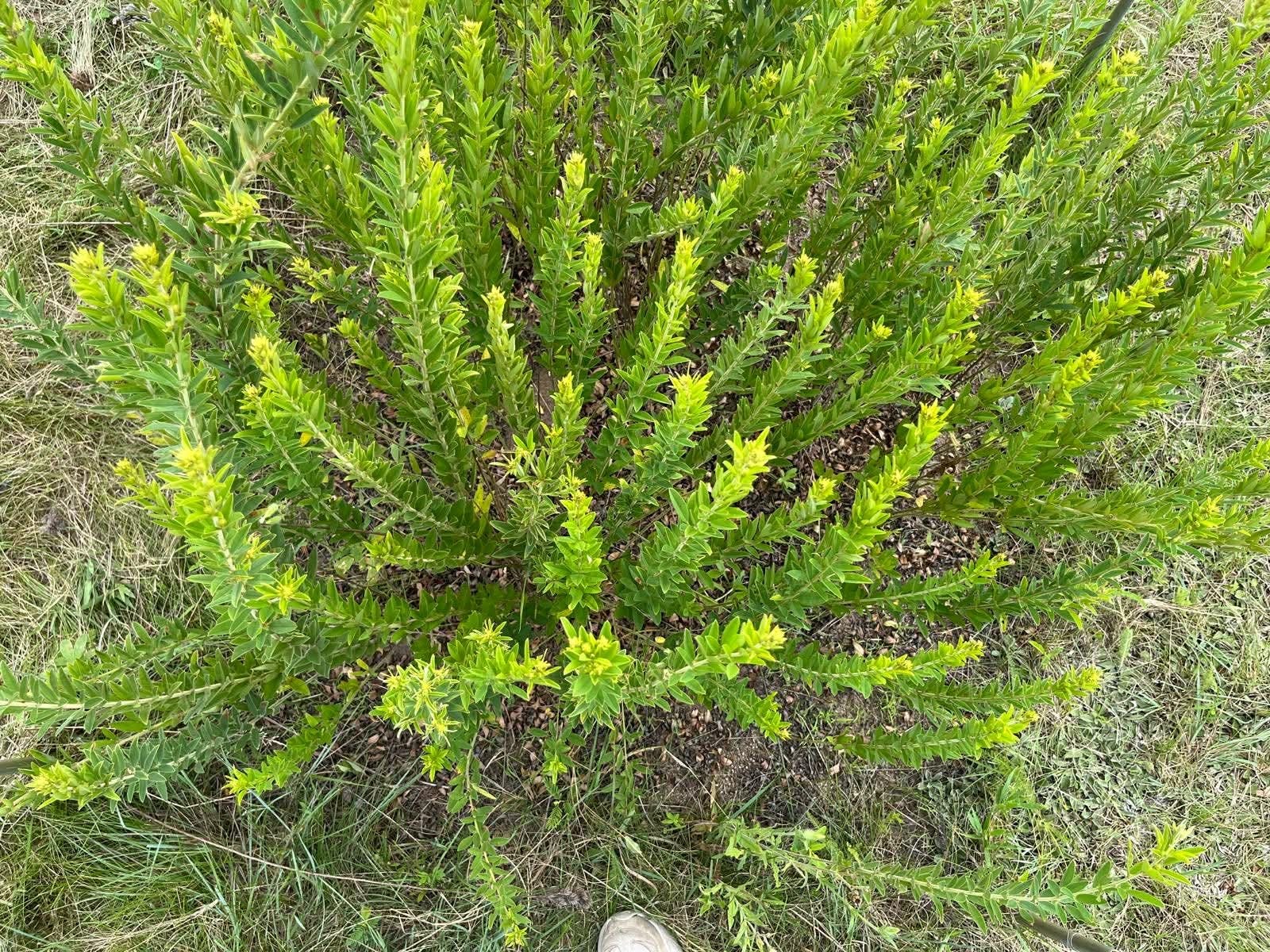
Photo: Harry Shepherd
Plants are chemical powerhouses.
They make a huge range of chemicals. Some help them grow, others protect them from pests or stress. For years, scientists have thought these chemicals mainly evolve because of herbivores and diseases. But new research suggests something different: the plants growing next to you might matter more than who is eating you.
A study looked at two species in a long-term grassland experiment in Minnesota: Andropogon gerardi (also known as big bluestem, which is a tall grass) and Lespedeza capitata (roundhead bush clover; a nitrogen-fixing legume).
The team tested how these plants’ chemistry changed when they grew alone or in mixed communities, and when insect and fungi enemies were either present, or reduced with pesticides.
The findings were surprising. Both species grew better when pests were reduced, but their chemical make-up didn’t always change.
For A. gerardi, the chemistry stayed almost the same no matter the treatment. This suggests the grass relies on built-in defences rather than changing its chemistry when stressed.
L. capitata, on the other hand, reacted strongly to its neighbours. When surrounded by other species, it produced more amino acids and phenolic compounds – signs of stress – and less sugar. This means competition, not herbivory, was the bigger challenge.
Why does this matter?
First, it questions the old idea that herbivores are the main reason plants have such diverse chemistry. At least in the short term, who you grow next to can be more important. Second, it shows species respond differently. The grass seemed to thrive in mixed plots, while the legume struggled – both in growth and in chemical balance.
These differences could affect whole ecosystems, from nutrient cycling to how plants interact with insects.
The study also shows how complex plant responses are. Chemicals that dissolve in water and those that dissolve in fats behaved differently, and overall pest damage was low in the year studied. Even so, the evidence points to neighbours as key drivers of chemical change.
For ecologists and land managers, predicting how plants respond to climate change and biodiversity loss means looking beyond herbivores. As plant communities shift, their chemistry will shift too – and that could change how ecosystems work.
Future research should test more species and sample over time to catch short-term changes. For now, this study offers a simple lesson: in the chemical lives of plants, competition can matter more than consumption.
Read more:
Joshua I Brian, Adrien Le Guennec, Elizabeth T Borer, Eric W Seabloom, Michael A Chadwick, Jane A Catford, Plant neighbours, not consumers, drive intraspecific phytochemical changes of two grassland species in a field experiment, AoB PLANTS, Volume 17, Issue 6, December 2025, plaf071, https://doi.org/10.1093/aobpla/plaf071
Rethinking Darwin’s Naturalisation Conundrum through Spatial Lenses
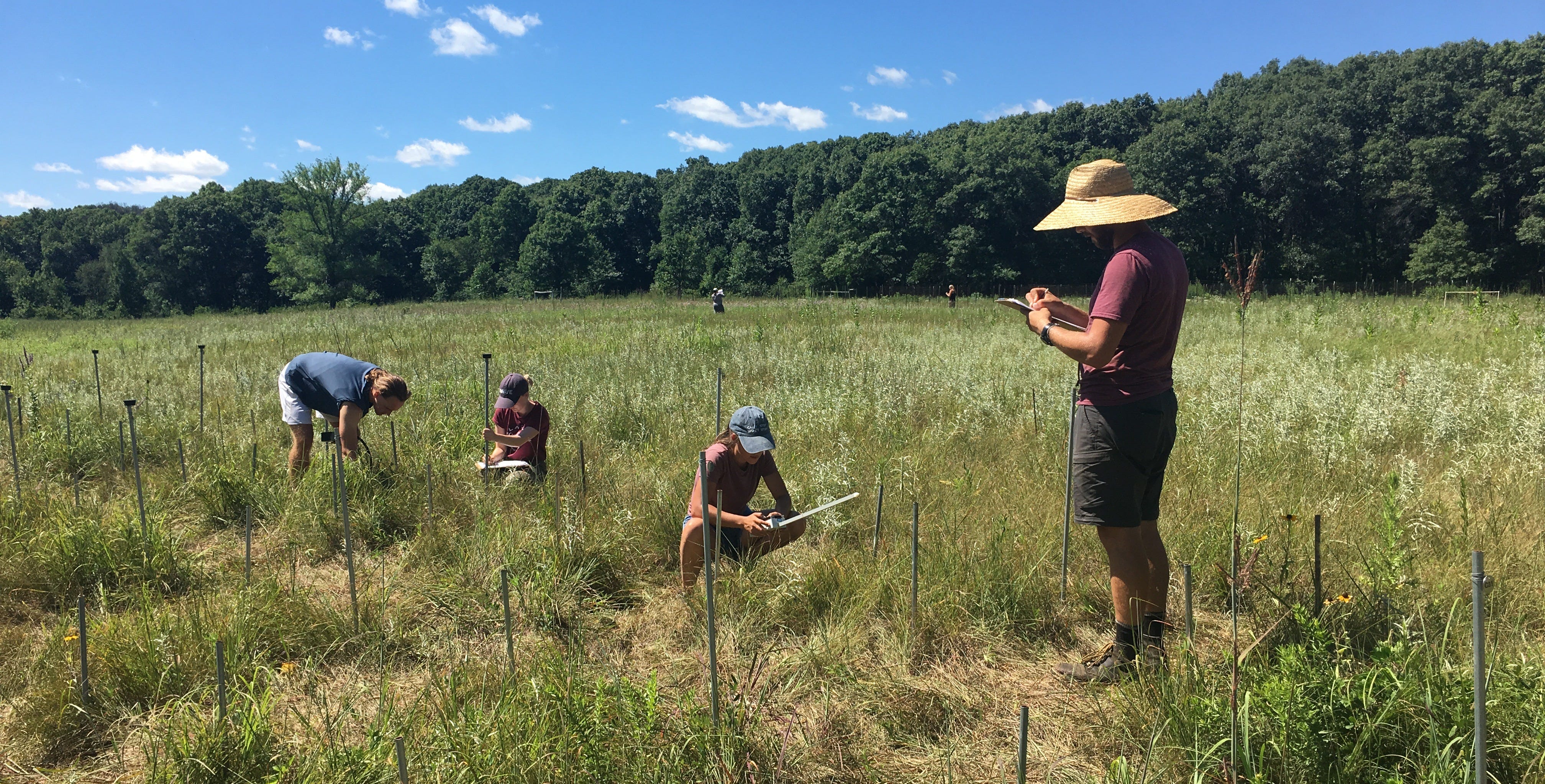
Photo: Jane Catford
Darwin’s naturalisation conundrum has long puzzled ecologists. Two competing ideas – preadaptation and limiting similarity – offer contrasting explanations for why some introduced species thrive while others fail.
The former suggests that invaders succeed when they resemble native species, benefiting from shared traits suited to local conditions. The latter argues that similarity breeds competition, so success favours difference. Both sound plausible, yet evidence has remained inconsistent.
A recent study led by Maria Perez-Navarro and colleagues at King’s College London sheds light on why. The team examined 33 years of grassland succession data in Minnesota, testing these hypotheses at two unusually fine spatial scales: neighbourhood plots of 0.5 m² and site transects of 40 m². This methodological choice proved decisive.
At the neighbourhood scale, where plants interact directly, practical features such as height and leaf structure mattered most. Species that differed in these traits were more abundant, supporting the limiting similarity hypothesis. Competition, it seems, rewards difference. Yet at the larger site scale, environmental filtering dominated. Here, species more similar to the community – those sharing traits suited to local conditions – were favoured, aligning with preadaptation.
Intriguingly, evolutionary closeness told a different story. Introduced species that were close to natives in the “family tree” thrived at both scales, reinforcing preadaptation even where trait-based analyses suggested otherwise. This disconnect between evolutionary lineage and physical features highlights a key insight: these two measures are not interchangeable.
The study also revealed nuanced differences between native and introduced species. Introduced plants tended to prosper with lighter seeds, higher leaf dry matter content, and in nitrogen-rich soils, suggesting distinct strategies for colonisation and resource use.
What does this mean for invasion ecology? First, spatial scale matters – profoundly. Analyses at tens of metres, often deemed “local”, may obscure competitive dynamics evident only at sub-metre scales. Second, relying on a single measure of similarity risks misleading conclusions. Evolutionary relationships and practical traits capture different dimensions of ecological reality.
Beyond its technical findings, this research invites reflection on how ecological theory grapples with complexity. Darwin’s conundrum endures not because the underlying hypotheses are flawed, but because nature resists simple binaries. Community assembly is shaped by overlapping forces – competition, environmental filtering, evolutionary history – whose influence shifts with scale and context.
For practitioners, the message is clear: management strategies for invasive species must consider both the traits that confer advantage and the environments that filter them. For theorists, the challenge remains to integrate these insights into models that embrace, rather than flatten, ecological nuance.
In the end, the study reminds us that scale is not a backdrop but an active player in ecological processes. To understand why species succeed or fail, we must look closely – sometimes as closely as half a square metre.
Read more:
Perez-Navarro, Maria A., Harry E. R. Shepherd, Joshua I. Brian, Adam T. Clark, and Jane A. Catford. 2025. “ Evidence for Environmental Filtering and Limiting Similarity Depends on Spatial Scale and Dissimilarity Metrics.” Ecology 106(11): e70244. https://doi.org/10.1002/ecy.70244
Alien plant invasions are accelerating worldwide, posing serious threats to biodiversity and costing billions in management. A recent study – led by David Gregory as part of his Masters at King’s and in collaboration with Matt White from the Victorian government – sheds light on how these invasions unfold across landscapes and why growth form matters when predicting and managing risk.
The research, conducted in Victoria, Australia, analysed data from more than 7,600 vegetation surveys spanning five decades. It found that 69 per cent of surveyed plots contained alien species, which made up 22 per cent of all recorded plant species. Forbs (broad-leaved herbs) were the most common invaders, followed by graminoids (grasses and similar) and woody plants. Yet the patterns of invasion were far from uniform.
Using boosted regression trees – a machine-learning approach well suited to ecological data – the team modelled how environmental, biotic and human factors influence both the presence and dominance of alien plants. Abiotic conditions, particularly temperature and rainfall, emerged as the strongest drivers overall, explaining up to 76 per cent of variation in invasion risk. Summer maximum temperature was a consistent predictor across all growth forms, with occupancy rising sharply above 23°C.
Human activity also played a major role. Areas with intensive land use, such as urban centres and agricultural zones, showed the highest levels of invasion. Alien forbs and graminoids were especially prevalent in these disturbed landscapes, often reaching more than 70 per cent cover in towns and cities. Alien woody plants were less widespread but still more likely to occur in urban areas than in intact forests.
Interestingly, the relationship between vegetation cover and invasion differed by growth form. Alien forbs and graminoids were more likely to occupy sites with high vegetation cover, but their proportional cover tended to decline as native vegetation increased – a sign of strong competition. Woody invaders, by contrast, were negatively associated with woody vegetation cover, suggesting that dense tree cover offers resistance to colonisation.
Spatial predictions confirmed these trends. Alien forbs had a high probability of occurring almost everywhere, even at higher elevations, though their cover remained low in alpine regions. Alien graminoids were largely confined to lowland areas dominated by human activity, while woody invaders were the most restricted, reflecting lower seed dispersal and availability and lower habitat suitability.
A global challenge
These findings resonate far beyond Australia. Invasive alien plants are among the top five drivers of biodiversity loss globally, according to the Intergovernmental Science-Policy Platform on Biodiversity and Ecosystem Services (IPBES).
They disrupt ecosystems, alter fire regimes and threaten food security. Economic costs are staggering – estimated at more than US$400 billion annually worldwide – and rising as trade and travel expand. Climate change compounds the problem by creating conditions that favour invaders, while land-use change accelerates their spread.
Understanding invasion dynamics at scale is therefore critical for global conservation strategies.
The implications for management are clear. Maintaining and restoring native vegetation is critical to limiting alien plant dominance, particularly after disturbances such as wildfire – a growing risk under climate change. Urban expansion and agricultural intensification will likely increase invasion pressure, making strategic land-use planning essential. Grouping species by growth form, as this study does, offers a practical way to prioritise control efforts without building hundreds of single-species models.
Alien plant invasions are complex, shaped by climate, land use and ecological interactions. But by recognising both shared drivers and growth-form-specific patterns, we can design more effective strategies to protect ecosystems. Growth-form-based models provide a tractable, widely understood tool for science and policy – a step towards smarter, landscape-scale management of one of the most pressing environmental challenges of our time.
Read more:
Gregory D, White M, Catford JA (2025) Similar drivers but distinct patterns of woody and herbaceous alien plant invasion. NeoBiota103 31–52. https://doi.org/10.3897/neobiota.103.164914
Together, we will develop a project exploring perceptions of human and plant “nativeness” to perceive ourselves in relation to biodiversity and climate crises.
Activate from the series ‘Beyond Triffids: Plants without Prejudice’ 2023 by Léonie Hampton.
Invasive alien species are recognised as one of the greatest threats to global biodiversity, their invasion facilitated by, and compounding impacts of, climate change. Within ecology and conservation biology there is a heated debate about whether alien plant invasions are good or bad for biodiversity. Do human-introduced alien species increase diversity and compensate for native species loss? Or are alien plants a major threat to biodiversity, warranting active management and restrictions on trade and travel?
Through the lens of alien plants we will particularly focus on perceptions of “nativeness” – both human and plant. Our interdisciplinary approach – co-created between arts, science and humanities – will challenge and interrogate understandings and value judgements, and how these values may need re-evaluation in light of biodiversity loss and migration.
Just as speculative fiction creates the potential, far off in space, where we might see ourselves more clearly, this creative collaboration will work with the perceptions and values of plants to perceive ourselves in relation to our urgent biodiversity and climate crisis.
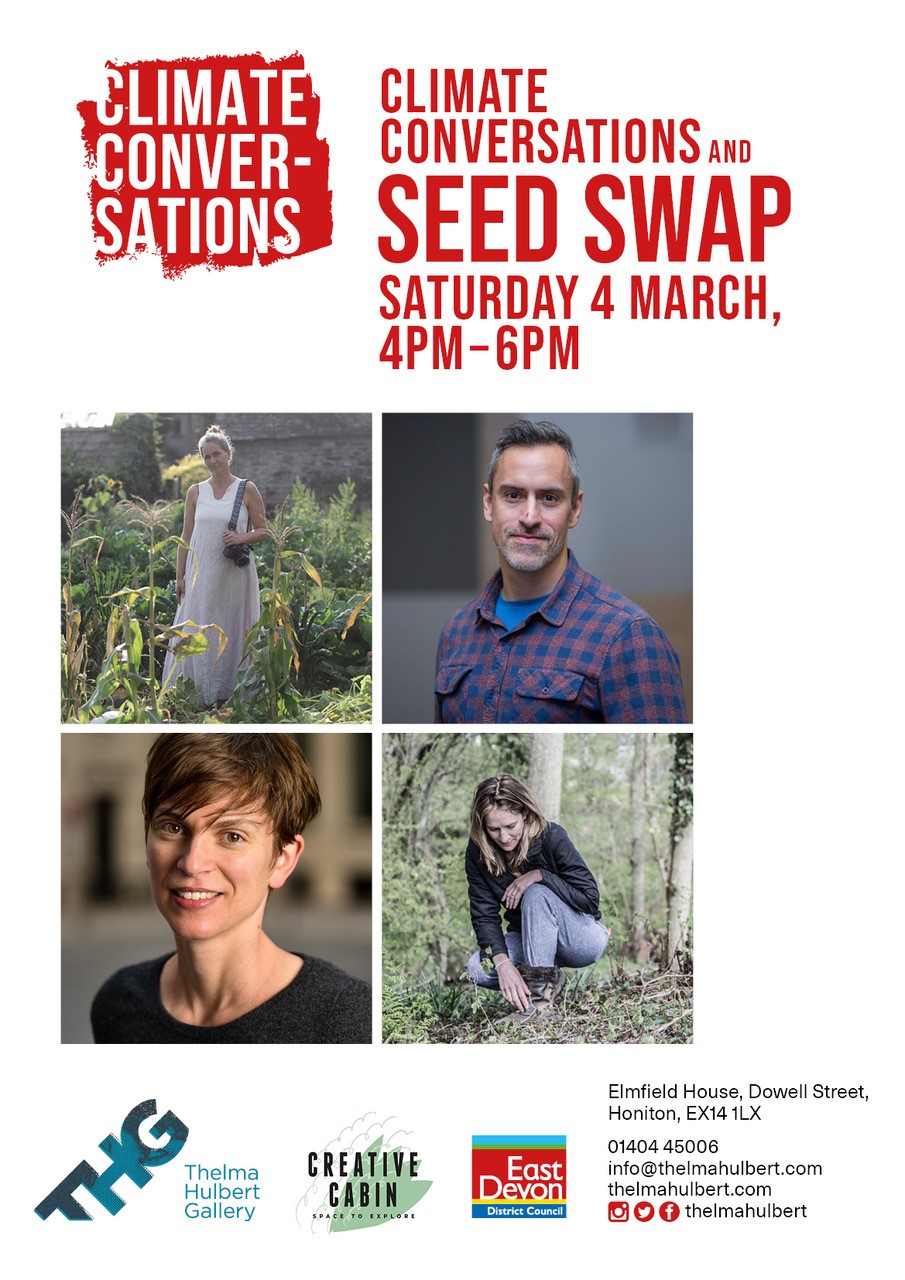
Our first public outreach event through this collaboration will be held at the Thelma Hulbert Gallery in Honiton on 4 March: Climate Conversations & Honiton Seed Swap. This will take place on the final day of Léonie’s exhibition “A Language of Seeds“.
The residency is funded by King’s Culture and supported by our ERC project AlienImpacts. More about this collaboration and five others supported by King’s Culture can be found here.
Edge of the flood waters – teaming with activity! See if you can spot the warthogs & impala
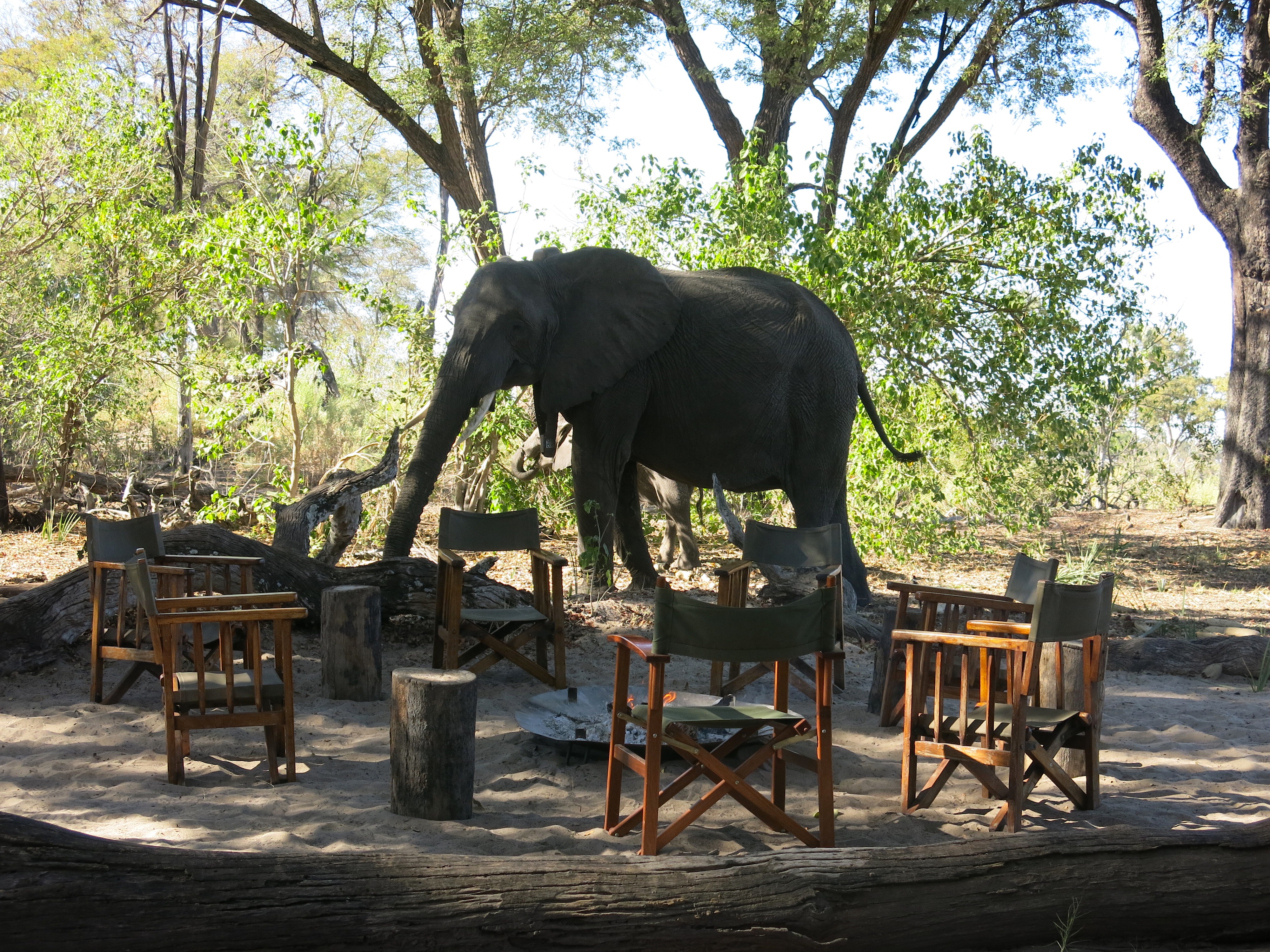
Perched in the middle of the southern part of the African continent is the Okavango Delta – an inspiring mosaic of wet and dry, with an abundance of wildlife, breathtaking landscapes, and grasses that would blow your socks off (and probably get attached to them given half a chance).
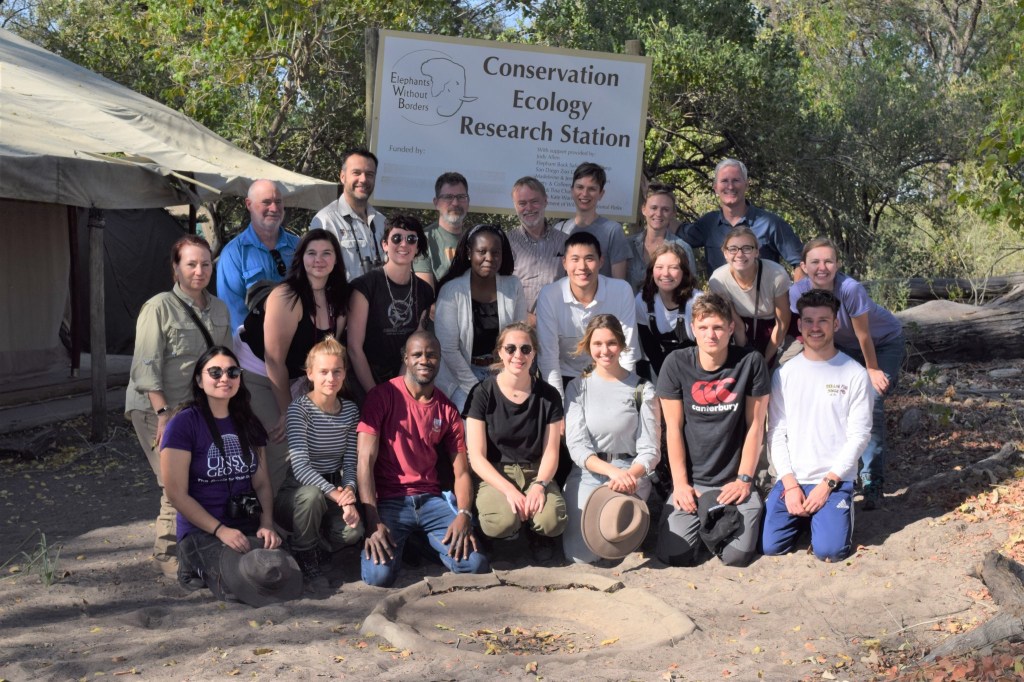
Last month, I was one of 24 lucky souls to spend about 10 days submersed in the Delta – a UNESCO World Heritage Site and Ramsar wetland that is formed when the Okavango River, flowing from Angola and Namibia, reaches a tectonic trough in Botswana where is it spills over the land to form a 15,000 sq km delta.
Making mud pies to examine plants in the soil seed bank
High drama as two male hippos had a tussle over a pool & a female.
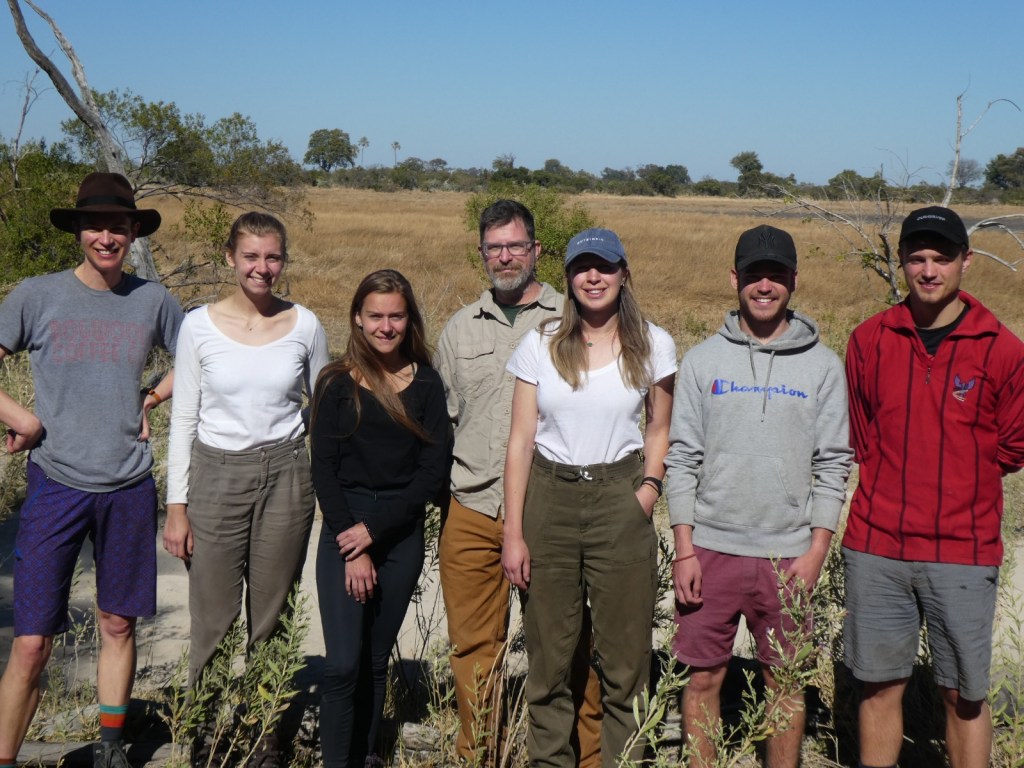
We had staff and students from all three universities plus the University of Botswana, so it was a wonderful melting pot of experience, expertise, backgrounds and interests – all set against the backdrop of this amazing system and river basin.
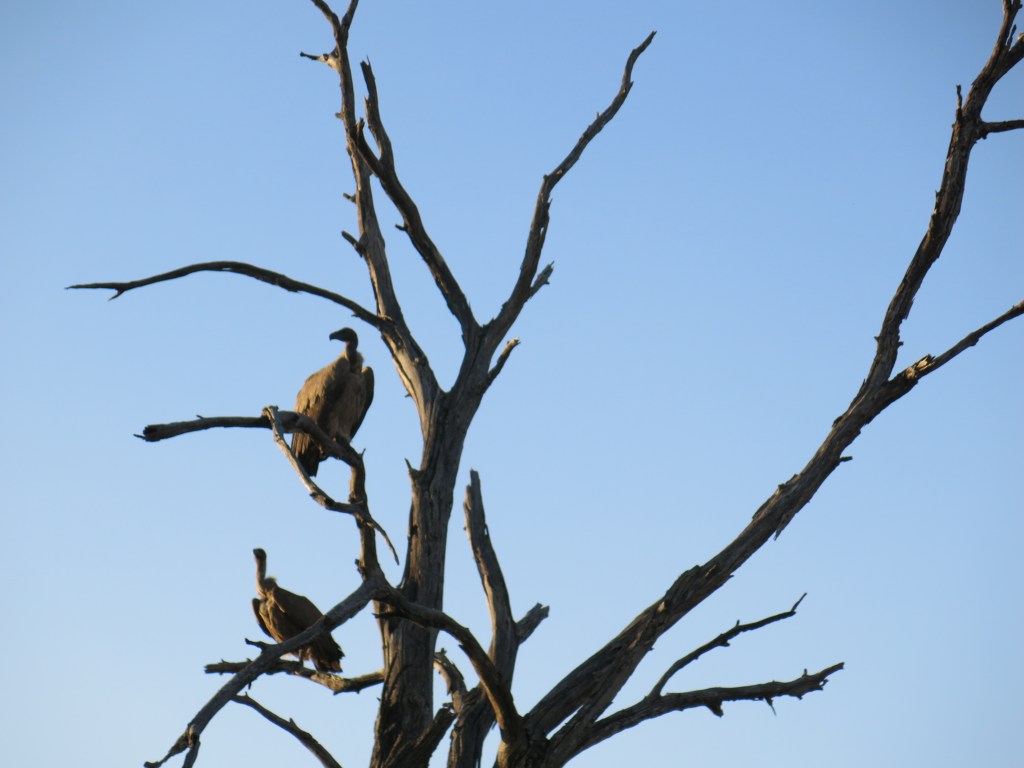
It was an unusually a dry year, but that didn’t detract from the place. The many, many highlights included:
Regan Early (University of Exeter) and I wrote this piece to mark Invasive Species Weekfor the British Ecological Society blog. In it, we discuss the possible synergies between climate change and species invasions, and some associated policy challenges.
Vandan Patel
Whether it is parakeets streaking across the sky, grey squirrels pirouetting in your local park, or seed pods of Himalayan balsam going pop, alien species are familiar sights and sounds in the UK.
Last week’s release of the IPBES report and this week’s Invasive Species Week remind us of the serious threat posed by alien species that become invasive. Not only do they impact the economy – costing the UK some £1.8 billion each year, threaten human health and degrade cultural values, but they are the fifth biggest threat to biodiversity globally.
Among the questions the Inquiry posed was whether climate change would exacerbate invasions. Would the two interact to make a problem bigger than the sum of its parts?
Increasing number of invaders under climate change
Somewhat surprisingly, the way that climate change will affect UK invasion is yet to be comprehensively assessed. Evidence suggests it’s unlikely that numbers of invasive species will increase simply because the UK climate will become suitable for species that otherwise couldn’t live here. Rather, more invaders may arrive in the UK because their populations grow in mainland Europe, and through human responses to climate change1.
If climate change makes invaders more abundant in continental Europe, the number of emigrants will increase, driving up immigration into the UK2. For example, numbers of moths migrating each year to the southern UK (but not establishing populations) has increased by 1.3 species/year, associated with warming temperatures in Spain and France3, but there is no direct evidence that climate change is the cause.
Greater use of biofuels, more intensive agriculture, and introduction of new plant species (or plant varieties) for gardens and agriculture may help us mitigate or adapt to climate change, but may inadvertently facilitate invasion4,5. New varieties of pasture plants that grow quickly and can cope with varying weather conditions are being developed; unfortunately, these are among the traits that can make species invasive6. Seaweeds are increasingly being used for biofuel production7 – many of them alien – and tests into seaweed farms are now underway across the UK. This developing aquaculture industry may pose a future invasion risk.
Shane Stagner
Increasing impact of invaders under climate change
Climate change will likely increase the impacts of invaders in the UK because many invaders are opportunistic generalists with wide environmental tolerances, good dispersal ability and rapid growth rates1. These characteristics mean that they’re well placed to take advantage of environmental change and of increases in disturbances like floods and storms8. Additionally, as climate change makes life tougher for natives, they will be less able to repel the advances of invaders9,10. For example, a decline in perennial native grasses with increasing temperatures has facilitated exotic annual grass invasion in California11. Under a new climate, currently successful management may become less effective, allowing invaders to proliferate and spread4,12.
The policy challenge of range-shifting species
No matter how hard we try, a degree of climate change is inevitable, and this will drive shifts in species’ ranges and abundances13. Such range-shifting species are not being introduced directly by people, and so don’t fit into the traditional invasive species paradigm. In areas strongly affected by environmental change, species’ range shifts are likely essential for their survival, so could species native to mainland Europe that colonise the UK merit protection here? Species colonising from nearby locations are less likely to be invasive, and indeed no European native that has thus far colonised the UK is considered invasive14. On the other hand, anecdotal evidence raises concerns. St Piran’s hermit crab colonised Cornwall from Europe in 2016, and has reached extraordinarily high numbers on one beach, with no native hermit crabs to be found. Distinguishing desirable range shifts of climate-adapting “environmental refugees” from undesirable species invasions remains a key challenge.
To our knowledge, policy makers are not yet examining this issue and we predict that European native species colonising the UK will cause conflict in conservation goals. This seems like a key challenge that the invasion and conservation science communities – among others – need to resolve. Exciting times ahead!
Shane Young
References
Catford, J. A. & Jones, L. P. (2019) “Grassland invasion in a changing climate” in Grasslands and Climate Change (eds D.J. Gibson & J. Newman). Cambridge University Press, p. 149-171.
Lockwood, J. L., Cassey, P. & Blackburn, T. M. (2009) The more you introduce the more you get: the role of colonization pressure and propagule pressure in invasion ecology. Diversity and Distributions15, 904-910.
Sparks, H. T., Dennis, L. H. R., Croxton, J. P. & Cade, M. (2007) Increased migration of Lepidoptera linked to climate change. European Journal of Entomology104, 139-143.
Bradley, B. A. et al. (2012) Global change, global trade, and the next wave of plant invasions. Frontiers in Ecology and the Environment10, 20-28.
Haeuser, E., Dawson, W. & van Kleunen, M. (2017) The effects of climate warming and disturbance on the colonization potential of ornamental alien plant species. Journal of Ecology.
Driscoll, D. A. et al. (2014) New pasture plants intensify invasive species risk. Proceedings of the National Academy of Sciences 111, 16622–16627.
Czyrnek-Delêtre, M. M., Rocca, S., Agostini, A., Giuntoli, J. & Murphy, J. D. (2017) Life cycle assessment of seaweed biomethane, generated from seaweed sourced from integrated multi-trophic aquaculture in temperate oceanic climates. Applied Energy196, 34-50.
Diez, J. M. et al. (2012) Will extreme climatic events facilitate biological invasions? Frontiers in Ecology and the Environment10, 249-257.
Kraft, N. J. B. et al. (2015) Community assembly, coexistence and the environmental filtering metaphor. Functional Ecology29, 592-599.
Catford, J. A., Downes, B. J., Gippel, C. J. & Vesk, P. A. (2011) Flow regulation reduces native plant cover and facilitates exotic invasion in riparian wetlands. Journal of Applied Ecology48, 432-442.
Bansal, S. & Sheley, R. L. (2016) Annual grass invasion in sagebrush steppe: the relative importance of climate, soil properties and biotic interactions. Oecologia181, 543-557.
Hellmann, J. J., Byers, J. E., Bierwagen, B. G. & Dukes, J. S. (2008) Five potential consequences of climate change for invasive species. Conservation Biology22, 534-543.
Inderjit, Catford, J. A., Kalisz, S., Simberloff, D. & Wardle, D. A. (2017) A framework for understanding human-driven vegetation change. Oikos126, 1687-1698.
Fridley, J. D. & Sax, D. F. (2014) The imbalance of nature: revisiting a Darwinian framework for invasion biology. Global Ecology and Biogeography23, 1157-1166.
Bush House: home of King’s Geography (and my new office)
Founded in 1829 by King George IV and the Duke of Wellington (and featuring a duel, no less!), King’s is the fourth oldest university in the UK, and is one of the world’s top 25 universities.
KCL has one of the strongest Geography departments globally, with research and education that extends across physical, environmental and human geography. I will be in the Environmental Dynamics theme, connecting hydrological, geomorphological, atmospheric and ecological processes – right where I love to be!
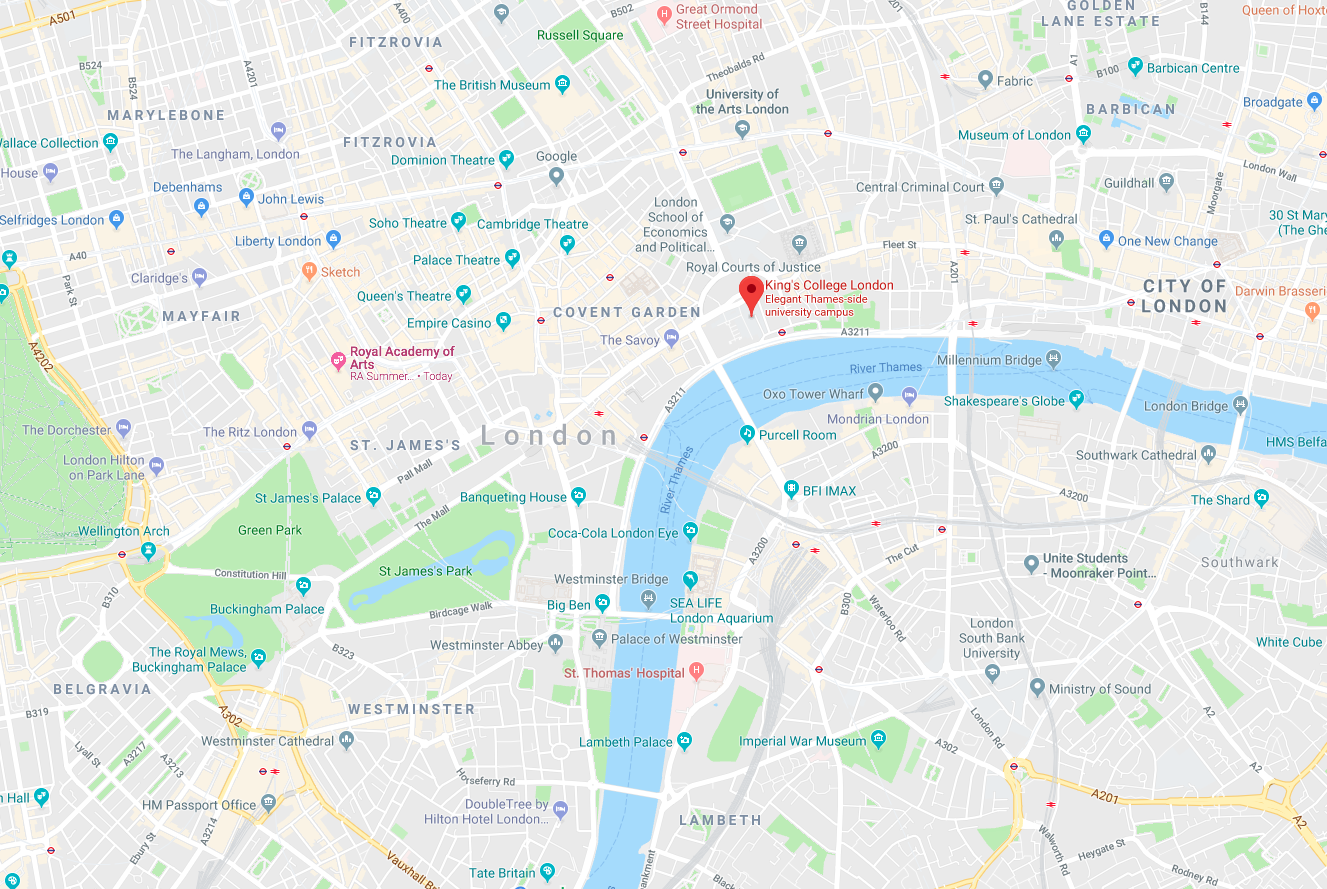
Based at the Strand campus, with views over the Thames, it is hard to be more central – not just literally in terms of London itself, but figuratively too. As a global city, London is a hotspot of education, research, culture – and has incredible connections with the rest of the world.
No excuses not to visit if you’re ever in London
If you’re interested in working or studying with me, or would like to visit, please do get in touch. You can reach me on jane.catford<at>kcl.ac.uk.









 Ecological Change